 حَدَّثَنَا ابْنُ أَبِي عُمَرَ، وَسَعِيدُ بْنُ عَبْدِ الرَّحْمَنِ، قَالاَ حَدَّثَنَا سُفْيَانُ، عَنِ الزُّهْرِيِّ، عَنْ أَبِي سَلَمَةَ، عَنْ أَبِي هُرَيْرَةَ، قَالَ أَبْصَرَ الأَقْرَعُ بْنُ حَابِسٍ النَّبِيَّ صلى الله عليه وسلم وَهُوَ يُقَبِّلُ الْحَسَنَ قَالَ ابْنُ أَبِي عُمَرَ الْحُسَيْنَ أَوِ الْحَسَنَ فَقَالَ إِنَّ لِي مِنَ الْوَلَدِ عَشَرَةً مَا قَبَّلْتُ أَحَدًا مِنْهُمْ . فَقَالَ رَسُولُ اللَّهِ صلى الله عليه وسلم “ إِنَّهُ مَنْ لاَ يَرْحَمْ لاَ يُرْحَمْ ”
Abu Hurairah (r) narrated:
“Al-Aqra’ bin Habis saw the prophet kissing Al-Hasan”- Ibn Abi `Umar (one of the narrators) said:”Al-Hasan and Al-Husain.” So he said: ‘I have ten children and I do not kiss any one of them.’ So the Messenger of Allah said: ‘Whoever shows no mercy, he will be shown no mercy.”
حَدَّثَنَا رَزِينٌ، قَالَ حَدَّثَتْنِي سَلْمَى، قَالَتْ دَخَلْتُ عَلَى أُمِّ سَلَمَةَ وَهِيَ تَبْكِي فَقُلْتُ مَا يُبْكِيكِ قَالَتْ رَأَيْتُ رَسُولَ اللَّهِ صلى الله عليه وسلم – تَعْنِي فِي الْمَنَامِ – وَعَلَى رَأْسِهِ وَلِحْيَتِهِ التُّرَابُ فَقُلْتُ مَا لَكَ يَا رَسُولَ اللَّهِ . قَالَ “ شَهِدْتُ قَتْلَ الْحُسَيْنِ آنِفًا ” . قَالَ هَذَا حَدِيثٌ غَرِيبٌ
Narrated Salma (r):
“I entered upon Umm Salamah while she was crying, so I said: ‘What causes you to cry?’ She said: ‘I saw the Messenger of Allah – that is, in a dream – and there was dirt on his head and his beard. so I said: “What is wrong with you, O Messenger of Allah?” He said: ‘I just witnessed the killing of Al-Husain.’” (
Jami` at-Tirmidhi,
gharib)
عَنْ أَبِي سَعِيدٍ الْخُدْرِيِّ، رضى الله عنه قَالَ قَالَ رَسُولُ اللَّهِ صلى الله عليه وسلم “ الْحَسَنُ وَالْحُسَيْنُ سَيِّدَا شَبَابِ أَهْلِ الْجَنَّةِ ”
Narrated Abu Sa`eed (r):
that the Messenger of Allah (ﷺ) said: “Al-Hasan and al-Husain are the chiefs of the youth of Paradise.”
Jami` at-Tirmidhi (
sahih)
عَنْ أَبِي بَكْرَةَ، قَالَ صَعِدَ رَسُولُ اللَّهِ صلى الله عليه وسلم الْمِنْبَرَ فَقَالَ إِنَّ ابْنِي هَذَا سَيِّدٌ يُصْلِحُ اللَّهُ عَلَى يَدَيْهِ فِئَتَيْنِ عَظِيمَتَيْنِ ” . قَالَ هَذَا حَدِيثٌ حَسَنٌ صَحِيحٌ . يَعْنِي الْحَسَنَ بْنَ عَلِيٍّ
Narrated Abu Bakrah (r):
that the Messenger of Allah (ﷺ) ascended the
Minbar and said: “Indeed, this son [Hasan bin `Ali (r)] of mine is a chief, Allah shall bring peace between two [tremendous] parties through his hands.” (
Jami` at-Tirmidhi,
sahih)
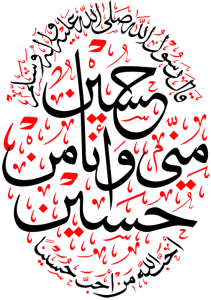
عَنْ يَعْلَى بْنِ مُرَّةَ، قَالَ قَالَ رَسُولُ اللَّهِ صلى الله عليه وسلم “ حُسَيْنٌ مِنِّي وَأَنَا مِنْ حُسَيْنٍ أَحَبَّ اللَّهُ مَنْ أَحَبَّ حُسَيْنًا حُسَيْنٌ سِبْطٌ مِنَ الأَسْبَاطِ”.
Narrated Ya`la bin Murrah (r):
that the Messenger of Allah (ﷺ) said: “Husain is from me, and I am from Husain. Allah loves whoever loves Husain. Husain is a
Sibt among the
Asbat.” (
Jami` at-Tirmidhi, hasan)
[Asbat, plural of Sibt: A great tribe. Meaning, Al-Husain would have many offspring, such that they would become a great tribe. And this has indeed occurred. See Tuhfat Al-Ahwadhi (4/341).]
عَنْ عَامِرِ بْنِ سَعْدِ بْنِ أَبِي وَقَّاصٍ، عَنْ أَبِيهِ، قَالَ لَمَّا أَنْزَلَ اللَّهُ هَذِهِ الآيَةَ : ( نَدْعُ أَبْنَاءَنَا وَأَبْنَاءَكُمْ ) دَعَا رَسُولُ اللَّهِ صلى الله عليه وسلم عَلِيًّا وَفَاطِمَةَ وَحَسَنًا وَحُسَيْنًا فَقَالَ ” اللَّهُمَّ هَؤُلاَءِ أَهْلِي ” .
Narrated `Amir bin Sa`d bin Abi Waqqas:
from his father who said: “When this
Ayah was revealed: ‘
Come, let us call our sons and your sons, our women and your women… [
fa-qul ta`alaw nad`u abna’a-na wa abna’a-kum],’ (3:61)’ the Messenger of Allah (ﷺ) called `Ali, Fatimah, Hasan and Husain and said: ‘O Allah! This is my family.’” (
Jami` at-Tirmidhi, hasan gharib sahih)
روي أنهم لما دعوا إلى المباهلة قالوا حتى ننظر فلما تخالوا قالوا للعاقب وكان ذا رأيهم: ما ترى؟ فقال: والله لقد عرفتم نبوته، ولقد جاءكم بالفصل في أمر صاحبكم والله ما باهل قوم نبيا إلا هلكوا، فإن أبيتم إلا إلف دينكم فوادعوا الرجل وانصرفوا، فأتوا رسول الله صلى الله عليه وسلم وقد غدا محتضنا الحسين آخذا بيد الحسن وفاطمة تمشي خلفه وعلي رضي الله عنه خلفها وهو يقول: إذا أنا دعوت فأمنوا، فقال أسقفهم يا معشر النصارى إني لأرى وجوها لو سألوا الله تعالى أن يزيل جبلا من مكانه لأزاله فلا تباهلوا فتهلكوا، فأذعنوا لِرَسُولِ اللَّهِ صَلَّى اللَّهُ عَلَيْهِ وَسَلَّمَ وَبَذَلُوا لَهُ الْجِزْيَةَ أَلْفَيْ حُلَّةٍ حَمْرَاءَ وَثَلَاثِينَ دِرْعًا مِنْ حَدِيدٍ، فَقَالَ عَلَيْهِ الصَّلَاةُ وَالسَّلَامُ: وَالَّذِي نَفْسِي بِيَدِهِ لَوْ تَبَاهَلُوا لَمُسِخُوا قِرَدَةً وَخَنَازِيرَ، وَلَاضْطَرَمَ عَلَيْهِمُ الْوَادِي نَارًا، وَلَاسْتَأْصَلَ اللَّهُ نَجْرَانَ وَأَهْلَهُ حَتَّى الطَّيْرَ عَلَى الشَّجَرِ. وَهُوَ دَلِيلٌ عَلَى نُبُوَّتِهِ وَفَضْلِ مَنْ أَتَى بِهِمْ مِنْ أَهْلِ بَيْتِهِ.
It is related that there was once a group of Christians who arrived from Najran and when they were called to al-Mubahala. They responded: “Let us discuss it between us and we’ll get back to you.” They said to al-`Aqib, whose opinion they trusted, “what do you think?” He said, “You have known his prophethood is true. You also know that there is not one prophet that performed mubahala against a people but they perished as a result of it.” The Prophet came out for Mubahala. He held al-Hussain (r) in his arms and he held al-Hasan’s (r) finger. Lady Fatima (r) came behind him, while behind her came Imam Ali (r). The Prophet said to them: “When I pray you should say Ameen.” However, when the head priest saw them, he quietly murmured to his followers: “O you group of Christians! Without doubt I can see such faces (in front of me) that if these people plead to Allah Almighty to move the mountain from its place, then through their invocation Allah Almighty would move the mountain. For the sake of God! do not have a Mubaahalah against them or else we will be destroyed.” So they obeyed the Prophet of Allah (peace and blessings of Allah be upon him) and gave him the tribute of two thousand red robes and thirty shields of iron.
And he (s) said, “By Him in Whose hand is my soul! If they had entered into imprecation they would have been transformed into monkeys and pigs, and there would have erupted in the valley a conflagration of fire engulfing them all: and surely Allah would have annihilated Najran and its inhabitants even the birds on treetops.” There is in this an evidence of his Prophethood and in the virtue of those who came with him from His Family. (Tafsir al-Baydawi)
عَنْ سَعِيدِ بْنِ أَبِي رَاشِدٍ، أَنَّ يَعْلَى بْنَ مُرَّةَ، حَدَّثَهُمْ أَنَّهُمْ، خَرَجُوا مَعَ النَّبِيِّ ـ صلى الله عليه وسلم ـ إِلَى طَعَامٍ دُعُوا لَهُ فَإِذَا حُسَيْنٌ يَلْعَبُ فِي السِّكَّةِ قَالَ فَتَقَدَّمَ النَّبِيُّ ـ صلى الله عليه وسلم ـ أَمَامَ الْقَوْمِ وَبَسَطَ يَدَيْهِ فَجَعَلَ الْغُلاَمُ يَفِرُّ هَا هُنَا وَهَا هُنَا وَيُضَاحِكُهُ النَّبِيُّ ـ صلى الله عليه وسلم ـ حَتَّى أَخَذَهُ فَجَعَلَ إِحْدَى يَدَيْهِ تَحْتَ ذَقَنِهِ وَالأُخْرَى فِي فَأْسِ رَأْسِهِ فَقَبَّلَهُ وَقَالَ “ حُسَيْنٌ مِنِّي وَأَنَا مِنْ حُسَيْنٍ أَحَبَّ اللَّهُ مَنْ أَحَبَّ حُسَيْنًا حُسَيْنٌ سِبْطٌ مِنَ الأَسْبَاطِ ”
It was narrated from Sa`eed bin Abu Rashid that Ya`la bin Murrah (r) told them that:
They had gone out with the Prophet to a meal to which they had been invited, and Husain was there playing in the street. The Prophet came in front of the people and stretched out his hands, and the child started to run here and there. The Prophet made him laugh until he caught him, then he put one hand under his chin and the other on his head and kissed him, and said, “Husain is part of me and I am part of him. May Allah love those who love Husain. Husain is a tribe among tribes.” (
Sunan Ibn Majah, hasan)
عَنْ عَبْدِ اللَّهِ بْنِ بُرَيْدَةَ، عَنْ أَبِيهِ، أَنَّ رَسُولَ اللَّهِ صلى الله عليه وسلم عَقَّ عَنِ الْحَسَنِ وَالْحُسَيْنِ .
It was narrated from `Abdullah bin Buraidah, from his father (r), that:
the Messenger of Allah offered the `Aqiqah for Al-Hasan and Al-Husain. (
Sunan an-Nasa’i,
hasan)
عَنِ ابْنِ عُمَرَ، قَالَ قَالَ رَسُولُ اللَّهِ ـ صلى الله عليه وسلم ـ “ الْحَسَنُ وَالْحُسَيْنُ سَيِّدَا شَبَابِ أَهْلِ الْجَنَّةِ وَأَبُوهُمَا خَيْرٌ مِنْهُمَا ”
It was narrated that Ibn `Umar (r) said:
“The Messenger of Allah said: ‘Hasan and Husain will be the leaders of the youth of Paradise, and their father is better than them.’” (Sunan Ibn Majah, hasan)
حَدَّثَنَا نَصْرُ بْنُ عَلِيٍّ الْجَهْضَمِيُّ، حَدَّثَنَا عَلِيُّ بْنُ جَعْفَرِ بْنِ مُحَمَّدِ بْنِ عَلِيٍّ، أَخْبَرَنِي أَخِي، مُوسَى بْنُ جَعْفَرِ بْنِ مُحَمَّدٍ عَنْ أَبِيهِ، جَعْفَرِ بْنِ مُحَمَّدٍ عَنْ أَبِيهِ، مُحَمَّدِ بْنِ عَلِيٍّ عَنْ أَبِيهِ، عَلِيِّ بْنِ الْحُسَيْنِ عَنْ أَبِيهِ، عَنْ جَدِّهِ، عَلِيِّ بْنِ أَبِي طَالِبٍ أَنَّ رَسُولَ اللَّهِ صلى الله عليه وسلم أَخَذَ بِيَدِ حَسَنٍ وَحُسَيْنٍ فَقَالَ “ مَنْ أَحَبَّنِي وَأَحَبَّ هَذَيْنِ وَأَبَاهُمَا وَأُمَّهُمَا كَانَ مَعِي فِي دَرَجَتِي يَوْمَ الْقِيَامَةِ ” . قَالَ أَبُو عِيسَى هَذَا حَدِيثٌ حَسَنٌ غَرِيبٌ لاَ نَعْرِفُهُ مِنْ حَدِيثِ جَعْفَرِ بْنِ مُحَمَّدٍ إِلاَّ مِنْ هَذَا الْوَجْهِ .
Narrated Nasr ibn `Ali al-Jahadami narrated `Ali bin Ja`far bin Muhammad bin `Ali from his brother Musa ibn Ja`far ibn Muhammad from his father, Ja`far ibn Muhammad from his father Muhammad bin `Ali from his father`Ali bin Husain from his father, from his grandfather, `Ali bin Abi Talib (r):
“The Prophet (ﷺ) took Hasan and Husain by the hand and said: ‘Whoever loves me and loves these two, and their father and mother, he shall be with me in my level on the Day of Judgement.” (
Jami` at-Tirmidhi, hasan gharib)
عنِ الْبَرَاءِ، أَنَّ النَّبِيَّ صلى الله عليه وسلم أَبْصَرَ حَسَنًا وَحُسَيْنًا فَقَالَ ” اللَّهُمَّ إِنِّي أُحِبُّهُمَا فَأَحِبَّهُمَا ” . قَالَ أَبُو عِيسَى هَذَا حَدِيثٌ حَسَنٌ صَحِيحٌ .
Narrated Al-Bara’ (r):
that the Prophet (ﷺ) saw Hasan and Husain, so he said: “O Allah, I love them, so love them.” (
Jami` at-Tirmidhi,
hasan sahih)
عَنْ أَبِي هُرَيْرَةَ، قَالَ قَالَ رَسُولُ اللَّهِ ـ صلى الله عليه وسلم ـ “ مَنْ أَحَبَّ الْحَسَنَ وَالْحُسَيْنَ فَقَدْ أَحَبَّنِي وَمَنْ أَبْغَضَهُمَا فَقَدْ أَبْغَضَنِي ”
It was narrated that Abu Hurairah (r) said:
“The Messenger of Allah said: ‘Whoever loves Hasan and Husain, loves me; and whoever hates them, hates me.’” (
Sunan Ibn Majah, hasan)
عَنْ عَلِيٍّ، قَالَ الْحَسَنُ أَشْبَهُ بِرَسُولِ اللَّهِ صلى الله عليه وسلم مَا بَيْنَ الصَّدْرِ إِلَى الرَّأْسِ وَالْحُسَيْنُ أَشْبَهُ بِالنَّبِيِّ صلى الله عليه وسلم مَا كَانَ أَسْفَلَ مِنْ ذَلِكَ
Narrated `Ali (r):
“Al-Hasan is greater in resemblance to the Messenger of Allah (ﷺ) with regards to what is between the chest and the head, and al-Husain is greater in resemblance to the Messenger of Allah (ﷺ) with regards to what is below that.” (
Jami` at-Tirmidhi, hasan sahih gharib)
عَنْ أَنَسِ بْنِ مَالِكٍ، قَالَ سَمِعْتُ رَسُولَ اللَّهِ ـ صلى الله عليه وسلم ـ يَقُولُ “ نَحْنُ وَلَدَ عَبْدِ الْمُطَّلِبِ سَادَةُ أَهْلِ الْجَنَّةِ أَنَا وَحَمْزَةُ وَعَلِيٌّ وَجَعْفَرٌ وَالْحَسَنُ وَالْحُسَيْنُ وَالْمَهْدِيُّ ”
It was narrated that Anas bin Malik said:
“I heard the Messenger of Allah (ﷺ) say: ‘We, the sons of `Abdul-Muttalib, will be leaders of the people of Paradise: Myself and Hamzah and `Ali and Ja`far and al-Hasan and al-Husain and al-Mahdi.” (
Sunan Ibn Majah,
hasan)
عَنْ أَبِي هُرَيْرَةَ ، قَالَ : قَالَ رَسُولُ اللَّهِ صَلَّى اللَّهُ عَلَيْهِ وَسَلَّمَ : خَيْرُكُمْ خَيْرُكُمْ لأَهْلِي مِنْ بَعْدِي “
Abu Hurayrah reported that the Messenger of Allah (ﷺ) said:
عَنْ عَاصِمٍ، حَدَّثَنِي مُوَرِّقٌ، حَدَّثَنِي عَبْدُ اللَّهِ بْنُ جَعْفَرٍ، قَالَ كَانَ النَّبِيُّ صلى الله عليه وسلم إِذَا قَدِمَ مِنْ سَفَرٍ تُلُقِّيَ بِنَا – قَالَ – فَتُلُقِّيَ بِي وَبِالْحَسَنِ أَوْ بِالْحُسَيْنِ – قَالَ – فَحَمَلَ أَحَدَنَا بَيْنَ يَدَيْهِ وَالآخَرَ خَلْفَهُ حَتَّى دَخَلْنَا الْمَدِينَةَ .
`Abdullah b. Ja`far reported that when Allah’s Messenger (ﷺ) came back from a journey he met us. Once he met me, Hasan or Husain, and he mounted one of us before him and the other one behind him until we entered Medina. (
Sahih Muslim)
عَنْ إِيَاسِ بْنِ سَلَمَةَ، عَنْ أَبِيهِ، قَالَ لَقَدْ قُدْتُ نَبِيَّ اللَّهِ صلى الله عليه وسلم وَالْحَسَنَ وَالْحُسَيْنَ عَلَى بَغْلَتِهِ الشَّهْبَاءِ حَتَّى أَدْخَلْتُهُ حُجْرَةَ النَّبِيِّ صلى الله عليه وسلم هَذَا قُدَّامُهُ وَهَذَا خَلْفُهُ .
Narrated Iyas bin Salamah (r) from his father who said:
“I guided Allah’s Prophet (ﷺ) and Al-Hasan and Al-Husain, on his gray mule until I brought him to the apartment of the Prophet (ﷺ), this one was in front of him, and this one behind him.” (Jami` at-Tirmidhi, hasan sahih gharib)
عن أَنَسَ بْنَ مَالِكٍ، يَقُولُ سُئِلَ رَسُولُ اللَّهِ صلى الله عليه وسلم أَىُّ أَهْلِ بَيْتِكَ أَحَبُّ إِلَيْكَ قَالَ ” الْحَسَنُ وَالْحُسَيْنُ ” . وَكَانَ يَقُولُ لِفَاطِمَةَ ” ادْعِي لِي ابْنَىَّ ” . فَيَشُمُّهُمَا وَيَضُمُّهُمَا إِلَيْهِ .
Narrated Anas bin Malik:
That the Messenger of Allah (ﷺ) was asked: “Which of the people of your house are most beloved to you?” He said: “Al-Hasan and Al-Husain.” And he used to say to Fatimah: “Call my two sons for me.” And he would smell them and hug them. (
Jami` at-Tirmidhi, gharib)
أَخْبَرَنَا أَبُو السَّمْحِ، قَالَ كُنْتُ خَادِمَ النَّبِيِّ ـ صلى الله عليه وسلم ـ فَجِيءَ بِالْحَسَنِ أَوِ الْحُسَيْنِ فَبَالَ عَلَى صَدْرِهِ فَأَرَادُوا أَنْ يَغْسِلُوهُ فَقَالَ رَسُولُ اللَّهِ ـ صلى الله عليه وسلم ـ” رُشَّهُ فَإِنَّهُ يُغْسَلُ بَوْلُ الْجَارِيَةِ وَيُرَشُّ عَلَى بَوْلِ الْغُلاَمِ ”.
Abu Samh said:
“I was a servant of the Prophet, and Hasan and Husain was brought to him and (the infant) urinated on his chest. They wanted to wash it, but the Messenger of Allah said: ‘Sprinkle water on it, for the urine of a girl should be washed, but the urine of a boy should be sprinkled over with water.’” (
Sunan Ibn Majah, sahih)
عَنْ أَبِي هُرَيْرَةَ ـ رضى الله عنه ـ قَالَ كَانَ رَسُولُ اللَّهِ صلى الله عليه وسلم يُؤْتَى بِالتَّمْرِ عِنْدَ صِرَامِ النَّخْلِ فَيَجِيءُ هَذَا بِتَمْرِهِ وَهَذَا مِنْ تَمْرِهِ حَتَّى يَصِيرَ عِنْدَهُ كَوْمًا مِنْ تَمْرٍ، فَجَعَلَ الْحَسَنُ وَالْحُسَيْنُ ـ رضى الله عنهما ـ يَلْعَبَانِ بِذَلِكَ التَّمْرِ، فَأَخَذَ أَحَدُهُمَا تَمْرَةً، فَجَعَلَهَا فِي فِيهِ، فَنَظَرَ إِلَيْهِ رَسُولُ اللَّهِ صلى الله عليه وسلم فَأَخْرَجَهَا مِنْ فِيهِ فَقَالَ ” أَمَا عَلِمْتَ أَنَّ آلَ مُحَمَّدٍ صلى الله عليه وسلم لاَ يَأْكُلُونَ الصَّدَقَةَ ”
Narrated Abu Huraira:
Dates used to be brought to Allah’s Messenger (ﷺ) immediately after being plucked. Different persons would bring their dates till a big heap collected (in front of the Prophet). Once Al-Hasan and Al-Husain were playing with these dates. One of them took a date and put it in his mouth. Allah’s Messenger (ﷺ) looked at him and took it out from his mouth and said, “Don’t you know that Muhammad’s offspring do not eat what is given in charity?” (Sahih Bukhari)
عَنِ ابْنِ عَبَّاسٍ ـ رضى الله عنهما ـ قَالَ كَانَ النَّبِيُّ صلى الله عليه وسلم يُعَوِّذُ الْحَسَنَ وَالْحُسَيْنَ وَيَقُولُ “ إِنَّ أَبَاكُمَا كَانَ يُعَوِّذُ بِهَا إِسْمَاعِيلَ وَإِسْحَاقَ، أَعُوذُ بِكَلِمَاتِ اللَّهِ التَّامَّةِ مِنْ كُلِّ شَيْطَانٍ وَهَامَّةٍ، وَمِنْ كُلِّ عَيْنٍ لاَمَّةٍ ”.
Narrated Ibn `Abbas (r):
The Prophet (ﷺ) used to seek Refuge with Allah for Al-Hasan and Al-Husain and say: “Your forefather (i.e. Abraham) used to seek Refuge with Allah for Ishmael and Isaac by reciting the following: ‘O Allah! I seek Refuge with Your Perfect Words from every devil and from poisonous pests and from every evil, harmful, envious eye.’ ” (Sahih Bukhari)
عَنْ مُحَمَّدِ بْنِ أَبِي يَعْقُوبَ، سَمِعْتُ ابْنَ أَبِي نُعْمٍ، سَمِعْتُ عَبْدَ اللَّهِ بْنَ عُمَرَ، وَسَأَلَهُ، عَنِ الْمُحْرِمِ،، قَالَ شُعْبَةُ أَحْسِبُهُ يَقْتُلُ الذُّبَابَ فَقَالَ أَهْلُ الْعِرَاقِ يَسْأَلُونَ عَنِ الذُّبَابِ وَقَدْ قَتَلُوا ابْنَ ابْنَةِ رَسُولِ اللَّهِ صلى الله عليه وسلم، وَقَالَ النَّبِيُّ صلى الله عليه وسلم “ هُمَا رَيْحَانَتَاىَ مِنَ الدُّنْيَا ”.
Narrated Ibn Abi Nu`m:
A person asked `Abdullah bin `Umar (r) whether a Muslim could kill flies. I heard him saying (in reply). “The people of Iraq are asking about the killing of flies while they themselves murdered the son of the daughter of Allah’s Messenger (ﷺ) . The Prophet (ﷺ) said, They (i.e. Hasan and Husain) are my two sweet basils in this world.” (
Sahih Bukhari)
“أهل بيتي كسفينة نوح من تعلق بها نجا ومن تخلف عنها هلك ” أخرجه البزار والطبراني من حديث أبي ذر وابن عباس وأبي سعيد وعبد الله بن الزبير بأسانيد ضعيفة.
The People of my House are like the Ark of Noah, whoever held fast to it was saved and who separated from it perished. Al-Bazzar and at-Tabarani narrated it with a weak chain from Abu Dharr.
وروى أحمد بن حنبل في مسنده عن ابي هريرة قال: نظر النبي صلى الله عليه وآله وسلم الى علي والحسن والحسين وفاطمة عليهم السلام فقال: (انا حرب لمن حاربكم وسلم لمن سالمكم). (مسند الامام حنبل ورواه ايضاً في المستدرك والخطيب البغدادي في تاريخه .)
Sayyiduna Abu Hurayra (r), the Holy Prophetﷺ turned his gaze towards Ali, Fatima, Hasan, and Husayn (r) and said:
“Whoever goes to war against you, I shall declare war on him and whoever makes peace with you, I shall make peace with him.” (Ahmad bin Hanbal in his Musnad, Hakim in al-Mustadrak, al-Khatib al-Baghadadi in his Tarikh)
روى بسنده عن عقبة بن عامر : قال : قال رسول الله (ص) : لما استقر أهل الجنة في الجنة ، قالت الجنة : يا رب أليس وعدتني أن تزينني بركنيـن من أركانـك ؟ قال : ألم أزينك بالحسن و الحسين ؟ قال : فماست ( أي تبخرت ) الجنة ميساً كما تميس العروس .
I was related by `Uqba ibn `Aamir that he said: the Prophet (ﷺ) said:
When the People of Paradise settle in Paradise, Paradise says, O my Lord! Did You not promise me to decorate me with two pillars from Your Pillars?” Allah replies, “Did I not decorate you with al-Hasan and al-Husayn?” The Prophet (s) said, “then Paradise began to huff and puff like the huffing of a groom.” (Tarikh Baghdad)
في ترجمة بزيع الأزدي والد عباس ذكر عنه حديثاً ، قال : قال رسول الله (ص) : قالت الجنة : يا رب زينتني فأحسن أركاني ، فأوحى اله تبارك و تعالى إليها إني قد حشوت أركانك بالحسن و الحسين .
In the transmission of Zee` Al-Azdee father of `Abbas related from him this hadith: that the Prophet (ﷺ) said:
Paradise said: “O my Lord! You decorated me and my pillars are perfect!” Then Allah revealed to her “Truly I have strengthened your pillars with al-Hasan and al-Husayn” (Asad al-Ghaba fee Ma`rifat as-Sahaba, Ibn Athir)
عن أبي أيوب الأنصاري قال : قال رسول الله (ص) لفاطمة (ع) : نبينا خير الأنبيـاء و هو أبوك ، و شهيدنا خير الشهداء و هم عم أبيك حمزة ، و منا من له جناحان يطير بهما في الجنة حيث شاء و هو ابن عم أبيك ، و منا سبطا هذه الأمـة الحسن و الحسين و هما ابناك ، و منا المهدي . أخرجـه الطبراني في معجمه ، و ذكره المحب الطبري في ذخائر العقبى .
Prophet (ﷺ) said to Sayyida Fatima (r):
Our Prophet is the best of the prophets and he is your father, and our martyr is the best of martyrs and he is your uncle Hamza, and from us (Ahl al-Bayt) is the one who possesses two wings with which he flies about in Paradise wheresoever he likes, and he is the son our your father’s uncle, and from us are the two sibts, al-Hasan and al-Husayn and they are your sons, and from us is al-Mahdi (at-Tabarani in his Mu`jam, and al-Muhib at-Tabari in his Dakha’ir al-`Uqba)